
Photo Harvest Journaling Method
A three-step photo journaling practice for women in midlife who want to take control of their own transformation.
Discovery of a new method
After years of traditional journaling, I came to photo journaling through my doctoral research, not by accident. As a teenager, writing was my platform and safe space, and that habit carried me into early adulthood. I have filled numerous journals and tried many methods (even the bullet journal). In recent years I lost the drive to record my thoughts regularly. My entries were repetitive, focused on negativity, and the relief writing once gave me had faded. Without consciously deciding to, I stopped. What brought me back wasn’t a new prompt set or a different notebook. It was a method I developed in my research with women who were burned out, and which I eventually turned toward myself. This page is for women who have hit a similar wall. The journaling habits that once supported you may no longer be moving you forward.
Why journaling stops working in midlife

When we reach midlife, we may find we are disconnected from ourselves because we have had to put ourselves behind those we care for or serve. There is nothing wrong with this. Our loved ones benefit, and we can take great pride in that care. It’s just that over time we get so good at hiding our true feelings and squashing our emotions and needs that we lose touch with who we are outside of that service. Life can begin to feel like a daily repeat, and journaling can feel the same. The same patterns of thought are reflected back to us, but we want more.
I think at this stage we want more than recognition of patterns. Awareness alone isn’t enough anymore. We want to know what to do with it. We want to move forward.

The Photo Harvest Journaling Method
Photo journaling, as a casual practice of combining images with writing, has been around for years. People have kept travel logs, family histories, and reflection journals that pair photos with words for as long as cameras have been accessible. What gives the Photo Harvest Journaling Method its scholarly grounding is not photo journaling itself, but photo elicitation, a research methodology developed by anthropologist John Collier Jr. in the 1950s and widely used in qualitative research ever since. I used photo elicitation in my doctoral work on burnout in midlife women, and the three-step method I now teach grew out of that research.
The three steps are simple: photo, journal, harvest. The image comes before the words because it bypasses the editorial voice. The words follow more easily because the image is already holding the meaning. The harvest unveils the deeper meaning that traditional journaling misses. Without the analysis step, the gold gets left on the page, and we often don’t go back for it.
01

Photo Selection
Read the prompt. Think about it for a bit and consider what comes up. When ready, decide to scroll for photos or take a photo that represents the context, meaning, or story that comes to mind when you want to respond to the prompt.
02

Journal
You won’t need a special notebook or journal. Simply find paper in any form you like and begin writing freely. Let your thoughts find their way to the paper without consideration of how they sound, or if they make sense.
03

Analysis
Read back through your journal once without stopping. Read again and this time circle up to five words that feel significant or important to you. Don’t over think it. This is your time to lean into your own intuition. Log your words in a “word harvest” list and complete the directions at the end of the guide.
Why the image comes first
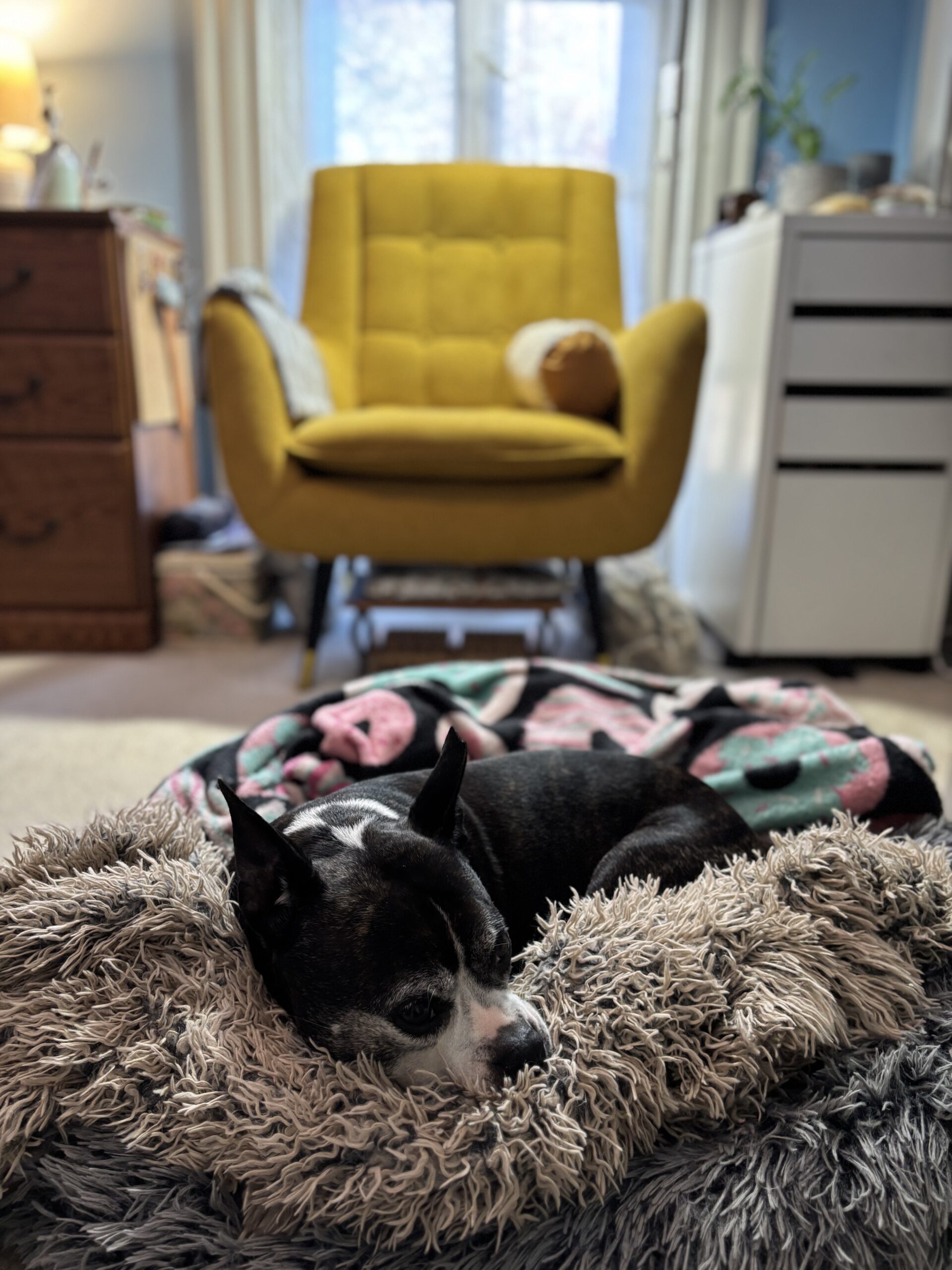
When you read a journal prompt and begin with photo selection, the surface level story comes to mind first. As you search and think more deeply about how you want to represent that story, you might struggle to settle on an image because you begin to realize that there is actually much more to what you want to say and how you feel. Struggling with this initially isn’t bad. It is a sign that you are waking up a bit more inside.
When you try a new process, your brain pays more attention and works in different ways, naturally shifting that old pattern of prompt-then-journal, and new things pop up. After you work with the Photo Harvest Journaling Method consistently, you will find you can lean into your intuition and select photos more quickly. You learn to trust your gut reaction and to communicate your thoughts through visual representation.
The insights that unfold are priceless. I remember working through my own dissertation methodology, and when I selected photos that represented my burnout experience, I settled on one with my son. The image was of him on stage reading his fifth grade graduation essay while I stood slightly behind him as the principal of the school. The image captures the tension I felt in my desire to just be his mom and celebrate him, while I was also the face of my school on stage. Seeing the image brought about raw emotions, and when I journaled, so much of that mom guilt and the imbalance between work and life came through.
When I do decide on a photo, it carries way more meaning than words on a page in my journal. I don’t have to process a thought, consider how to word it on the page, or wonder what order to write in. The image holds all the meaning, context, and often things hard to put into words. By the time I sit down to start writing, words come to me almost without effort.
What does the method do?
This process doesn’t tell you what matters. It helps you find faith and trust in yourself and your ability to know what is right for you.
Curious to try it?
Download my free Who Am I Now? guide and walk through six prompts at your own pace.
Download my free resources
Find free guides, explore digital workbooks, and take my simple survey to find out where you should start within the FACTOR framework I developed to support you in your midlife transition.
01. Photo-Journal 3 Prompt Mini Workbook and Instructions
Use this digital workbook to try a shorter 3 prompt series that usesthe Photo Harvest method. Everything in one place!
02. Quick Start Guide and Template
Not sure where to begin? Start here! This pdf will walk you through the full process and contains downloadable and printable templates for use in any of the prompt series. This resource is great for those of you wanting a “low tech” option, but want a bit more guidance with the process. Otherwise, my process is simple and only requires a notebook, pen, and access to photos (on your phone, in an album, etc).
03. FACTOR Self-Assessment Survey
Discover where you are in your transformation journey using this simple survey. It will help you understand your strengths and next steps using my FACTOR framework that I reference in all mof my videos, blog posts, and more.
The latest from the blog

Too Many Tabs Open
For years now, I have come to trust in my ability to overcome setbacks at many levels. I think it would be rare to find a 52 year old woman out there who has not suffered or experienced intense loss, transition, or setbacks and overcome them. Somehow time would pass....
How Mending a Van Renewed My Confidence in Aging
I sat in my Toyota Sienna with the windows up, the key in the ignition, and the humid Missouri heat building outside. I took a deep breath, held it a bit and started the engine. In a second or two, gloriously cool air blew through the space and I let out a sigh of...
Pause for Progress: Gaining Perspective Through Slow Stitching
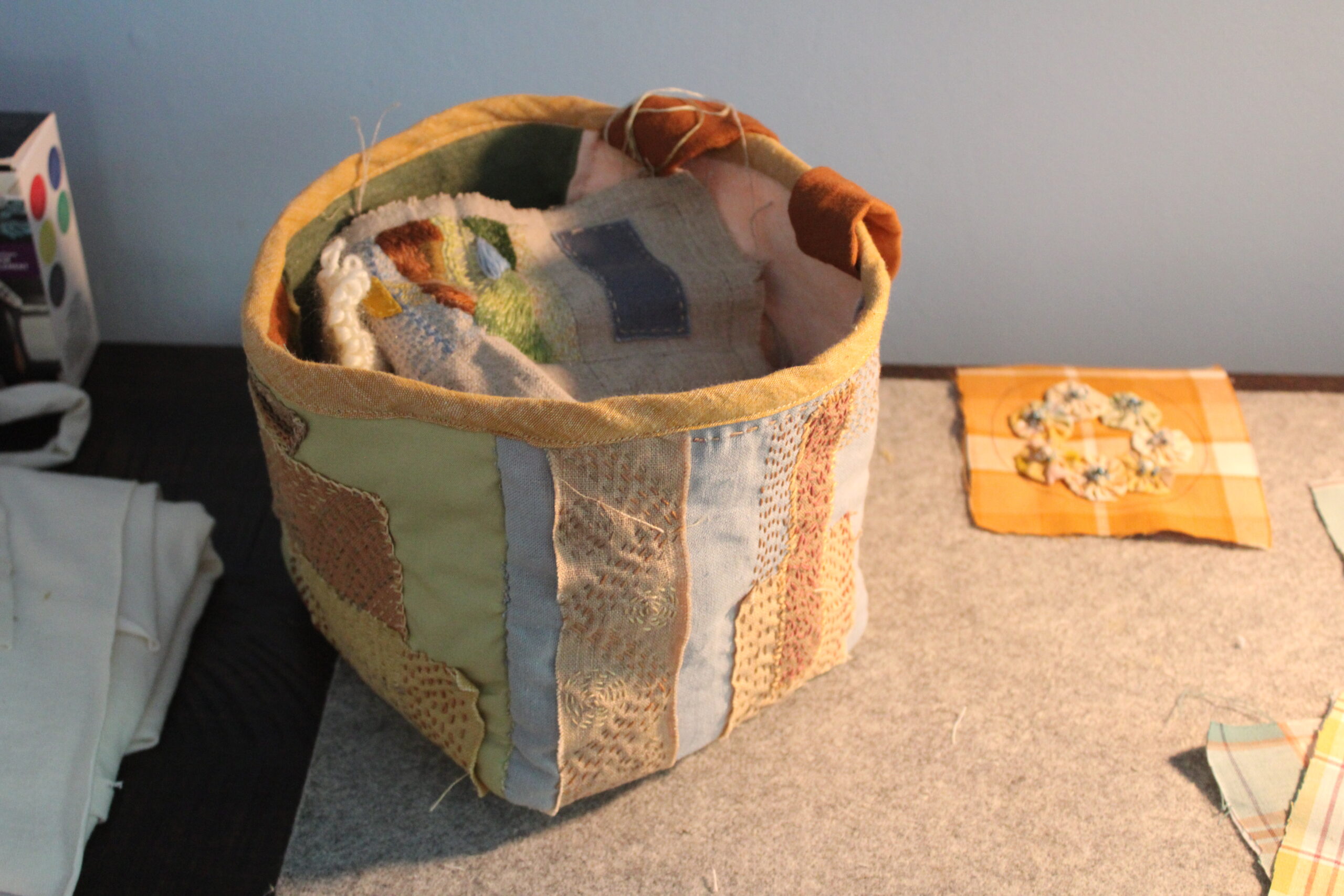
“When you take time and space from a passion, work, project…and then return to it, your perspective has changed. You see it in a whole new light and sometimes that’s all it takes to move forward.” Let me tell you the story of a rice bag… I loved embroidery as a young...